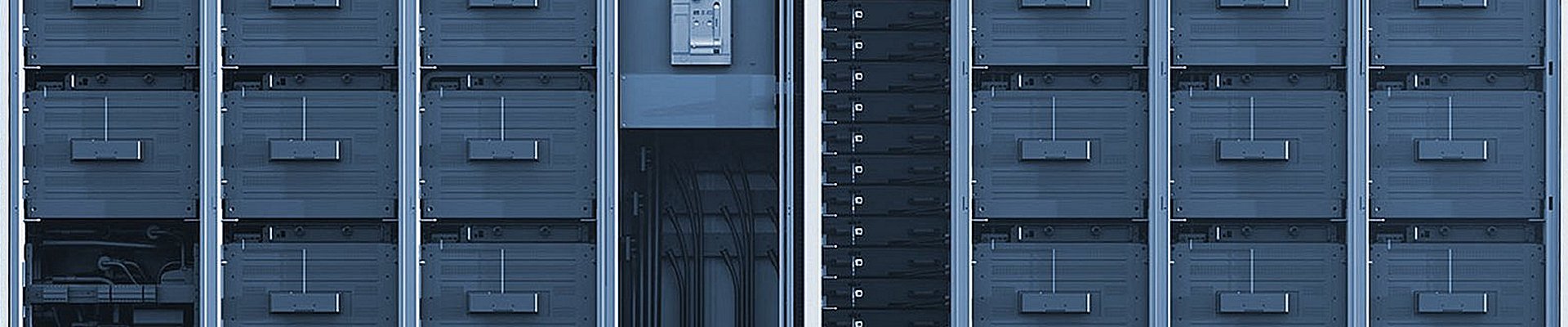
BESS Overview
This page establishes baseline definitions used. Use it to align engineering, compliance, AHJ, and insurer discussions before permitting or design review.
What a BESS is
A Battery Energy Storage System BESS is an engineered power system that stores electrical energy in batteries and delivers it through power conversion and controls. Permitting and safety decisions apply to the complete system, not the battery alone.
- Energy storage subsystem: cells, modules, racks, enclosures, thermal management
- Power conversion subsystem: inverter, transformer, switchgear, protection and coordination
- Control subsystem: BMS, PCS controls, site controller, communications and telemetry
- Safety subsystem: detection, ventilation or exhaust, suppression strategy, interlocks, emergency stops, procedures
What a BESS is not
Many compliance failures start with category errors. Reviewers evaluate the system as installed, in its environment, under credible abnormal scenarios.
- Not a battery certificate or single listing
- Not portable battery rules applied at larger scale
- Not a single standard, but a stack of adopted codes, referenced standards, and local amendments
- Not a one time permit event, but lifecycle evidence from design through operations
Why BESS are treated as high risk assets
BESS risk is driven by energy density, failure cascades, and the interaction between thermal runaway, gas generation, and ignition sources. Consequence severity depends heavily on siting and occupancy.
- Thermal runaway initiation and propagation
- Flammable gas generation and accumulation
- Overpressure and deflagration potential
- External flame plume and radiant heat exposure
- Toxic or corrosive byproducts
- Electrical hazards including arc flash, shock, and backfeed
Common deployment types
Deployment type drives siting, separation distances, ventilation strategy, suppression approach, and emergency response planning.
- Containerized utility scale outdoor systems
- Building integrated indoor ESS rooms
- Behind the meter commercial and industrial systems
- Microgrid and critical infrastructure installations
- Hybrid renewable plus storage sites
How to use this guide
Use this site as a compliance workflow, not a narrative reference. Each section supports a specific stage of approval and operation.
- Codes and Standards to identify applicable requirements
- Safety and Risk to map hazards to design controls
- Permitting to assemble AHJ submittal packages
- Design and Siting to resolve setbacks, ventilation, and suppression early
- Operations to define commissioning, monitoring, maintenance, and reporting evidence
Fast path topics: UL 9540A evidence, Hazard Mitigation Analysis traceability, separation distances, ventilation and gas management, commissioning proof.