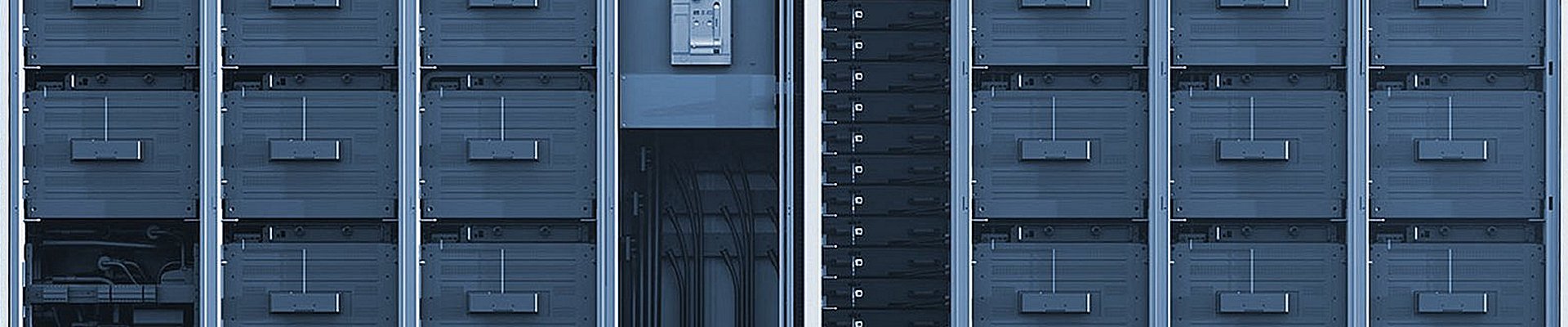
Container vs In-Building BESS
BESS can be deployed as outdoor containerized systems or as building-integrated systems installed inside a dedicated room or structure. Both can meet safety and compliance goals, but they drive different permitting conversations and different design constraints. This page focuses on the compliance and safety implications that most frequently affect project approval and operating conditions.
Quick comparison
| Dimension | Containerized BESS | Building-integrated BESS | Why it matters |
|---|---|---|---|
| Typical location | Outdoor yard or pad | Dedicated room or indoor enclosure | Changes egress, ventilation, and exposure analysis |
| Primary hazard emphasis | Exposure to adjacent equipment and structures | Gas accumulation, egress, building impacts | Shifts mitigation priorities and AHJ scrutiny |
| Ventilation and exhaust | Often integrated in the container design | Must integrate with building systems and discharge routing | Indoor exhaust routing is a frequent approval bottleneck |
| Separation and setbacks | Often driven by site layout and exposures | Often driven by room rating, building layout, and egress | Affects site plan, civil work, and property utilization |
| Fire protection interface | Exposure cooling and site access planning | Coordination with building fire protection systems | Building integration increases coordination scope and review time |
Containerized BESS: compliance implications
Containerized systems are commonly deployed outdoors as modular units. Compliance conversations often focus on:
- Separation distances between containers and exposures.
- Site access for emergency response and equipment maintenance.
- Fire spread and propagation between adjacent units.
- Vent plume impacts and discharge direction.
- Drainage and runoff management, especially where water-based response is expected.
Common advantage. Outdoor siting reduces building egress complexity and limits indoor gas accumulation concerns. Common tradeoff. It increases exposure management: adjacent containers, transformers, and nearby structures.
Building-integrated BESS: compliance implications
Building-integrated systems are installed inside a room or structure. Compliance conversations often focus on:
- Ventilation and exhaust routing and discharge location.
- Gas accumulation and deflagration risk management in enclosed volumes.
- Egress and responder access constraints.
- Building code interactions: room construction, ratings, penetrations, and interfaces.
- Coordination with building fire protection systems and alarms.
Common advantage. Protection from weather and site hazards and simpler physical security control. Common tradeoff. Indoor systems tend to have higher design and coordination complexity and are more likely to receive detailed AHJ scrutiny.
Ventilation and exhaust: the recurring approval bottleneck
For building-integrated BESS, ventilation and exhaust is often the highest-friction topic. The permitting package should make explicit:
- Protected volume definition: room volume, cabinet volumes, and flow paths.
- Normal-mode and abnormal-mode ventilation states and triggers.
- Exhaust routing and discharge points, including exposure impacts.
- How pressure relief is handled if flow paths are obstructed.
For containerized BESS, the key is demonstrating that venting paths do not create unacceptable exposure risks to adjacent containers, transformers, or occupied areas.
Separation distances and exposure control
Both deployment types require exposure control, but the levers differ. Containerized deployments typically rely on: spacing, barriers, and site layout. Building-integrated deployments rely on: room construction, building interfaces, egress management, and discharge routing.
How UL 9540A evidence is used
UL 9540A test evidence is often used to support hazard characterization and mitigation choices. The practical value is highest when: test evidence is explicitly mapped to the installed configuration and used to justify assumptions in:
- Separation distances and exposure analysis.
- Ventilation and exhaust strategy and gas detection assumptions.
- ERP scenario definitions and responder guidance.
A common failure mode is treating UL 9540A as a generic approval artifact without configuration mapping.
Which choice fits which use case
| Use case | Often fits better | Why |
|---|---|---|
| Utility-scale yard | Containerized | Site layout and exposure management are usually feasible outdoors |
| Campus microgrid | Either | Depends on available space, security, and building integration constraints |
| Data center support BESS | Either | Driven by site constraints, resilience design, and egress/vent routing feasibility |
| Dense urban site | Building-integrated | Space constraints often force indoor solutions, increasing design rigor needs |
Common gotchas
- Indoor projects that assume building integration is just an equipment room without a gas management basis.
- Outdoor yards that ignore vent plume direction and exposure impacts to adjacent equipment or boundaries.
- Missing linkage between detection alarms and ventilation mode changes and shutdown actions.
- Separation distances proposed without a defensible scenario and evidence basis.
- ERP that does not differentiate indoor versus outdoor response conditions and access constraints.
Practical documentation checklist
| Item | Containerized focus | Building-integrated focus |
|---|---|---|
| Site plan | Separation distances, exposures, access routes | Building location, egress, protected routes |
| Ventilation and exhaust basis | Vent path direction and exposure impacts | Exhaust routing, discharge, pressure relief, abnormal modes |
| Detection and actions | Gas and heat detection tied to shutdown and notifications | Same, plus ventilation mode changes and building interfaces |
| Safety evidence mapping | Test-to-install mapping for yard configuration | Test-to-install mapping for room and enclosure assumptions |
| ERP and responder access | Access routes, hydrants and water supply, exposure control | Access, egress, ventilation shutdown, discharge awareness |
Disclaimer. Informational guidance only. Not legal advice. Validate requirements against applicable codes, standards, product listings, and AHJ requirements.