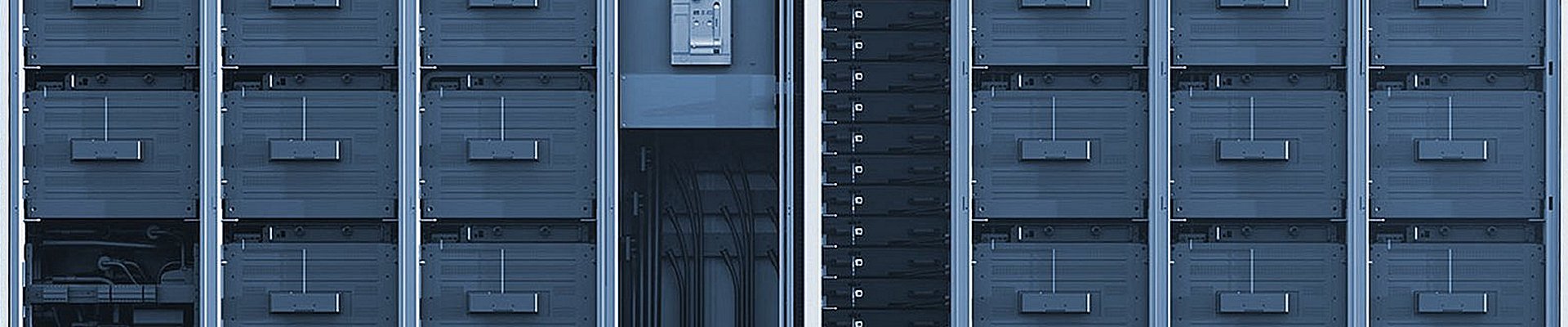
BESS Adjacent Infrastructure
BESS compliance is evaluated at the system and site level, not at the battery enclosure alone. AHJs, insurers, and investigators routinely assess how surrounding infrastructure interacts with the energy storage system during normal operation and credible failure scenarios. As a result, compliance outcomes are often driven by adjacent systems rather than by the battery technology itself.
Infrastructure categories that affect compliance
- Electrical and power conversion infrastructure. Inverters, PCS, transformers, switchgear, protection relays, disconnects, grounding, and bonding influence fault behavior, isolation, and exposure.
- Control systems and operational software. EMS, microgrid controllers, SCADA platforms, monitoring systems, alarm logic, and firmware define real-world BESS behavior and must be controlled over time.
- Fire detection, mitigation, and ventilation systems. Gas detection, smoke or heat detection, suppression systems, exhaust fans, and pressure relief features are often assumed in hazard analyses and permitting decisions.
- Site layout and civil infrastructure. Container spacing, separation distances, fencing, access roads, responder staging areas, drainage, and containment are central to exposure control.
- Adjacent occupied structures and critical equipment. Nearby buildings, process equipment, generators, data halls, and other BESS blocks are explicitly considered in escalation and fire spread scenarios.
- Physical security and access control. Fencing, gates, locks, badge access, intrusion detection, lighting, and signage affect safety, unauthorized access risk, and emergency response effectiveness.
- Communications and data infrastructure. Network connectivity, remote access pathways, alarm notification channels, and data retention systems affect monitoring, incident response, and evidence preservation.
- Installation and temporary equipment. Lifting equipment, staging areas, temporary power, and pre-commissioning setups can trigger compliance obligations during construction and modification phases.
A listed and tested BESS deployed within a poorly controlled site context may still be considered non-compliant. Successful projects document how adjacent infrastructure supports hazard mitigation, operational control, and emergency response throughout the system lifecycle.
Disclaimer. Informational guidance only. Not legal advice. Validate requirements against adopted codes, local amendments, permit conditions, and project-specific configurations.